As an Amazon Associate, Playpedalsteel.com earns from qualifying purchases. This page contains affiliate links.
Like any instrument, there are several factors that shape the overall sound and feel of a pedal steel guitar. One of the most important—and most frequently changed—is the strings.
The strings you choose affect tone, response, and how the instrument feels under your hands and feet. Over time, experimenting with different sets can help you dial in a sound that fits your playing style.
When choosing pedal steel strings, it helps to understand how gauge, material, and brand all play a role. Once you know what to listen for, it becomes much easier to find a setup that works for you.
Brands, Makers, and Manufacturers
Even though pedal steel is a niche instrument, there are quite a few string options available from both major and smaller manufacturers.
Companies like D’Addario and Ernie Ball produce reliable sets, and there are also strong options from brands that focus more specifically on steel guitar.
SIT strings have become a popular choice among pedal steel players. Their nickel sets tend to have a balanced tone and good durability, and they offer a range of gauges that work well across different setups.
I’ve personally had great results using the SIT Buddy Emmons signature strings, mainly because of their tone, feel, and overall value.
One thing I like about these sets is that they include an extra 3rd string, which is useful since that string tends to break more often than others.
You’ll also find solid options from:
- GHS
- D’Addario
- SIT
- Ernie Ball
- John Pearse
- Black Diamond
- Curt Mangan
- Newtone
- Jagwire
Where To Buy
Most local music stores don’t carry a wide selection of pedal steel strings, simply because the instrument is less common.
Online retailers tend to be a better option. They usually have more variety, and the strings are often newer, which can make a noticeable difference in tone and lifespan.
Buying fresh strings matters more than people realize—older sets can lose brightness or develop corrosion over time depending on storage conditions.
Choosing String Gauges
String gauge is largely a matter of preference, but it has a direct impact on both tone and feel.
In general:
- Heavier gauges = warmer, thicker tone
- Lighter gauges = brighter, more responsive tone
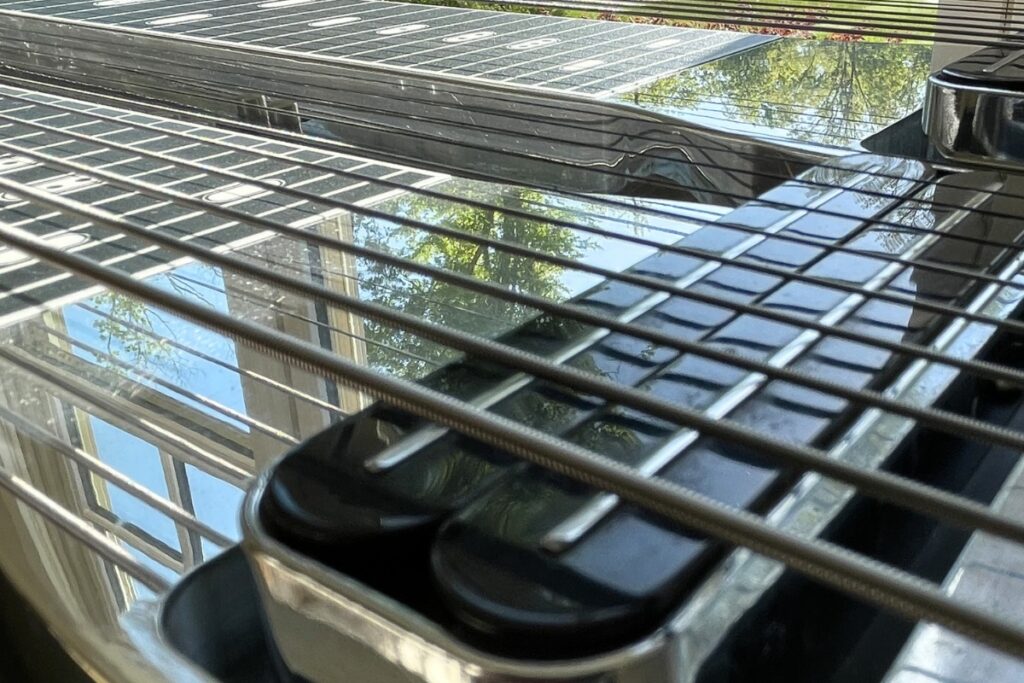
A lot of this also depends on how you play. Your picking, blocking, and bar control all influence tone just as much as string choice.
Understanding how your tuning lays things out—especially for the E9 tuning—can make it easier to choose gauges that feel balanced.
The 3rd String on E9
Most E9 setups use a .011 for the 3rd string, and it’s easily the most common string to break.
This is due to both its lighter gauge and how often it’s engaged with the B pedal.
Many sets include an extra 3rd string, but it’s still a good idea to keep singles on hand.
If you want more durability, switching to a .012 can help reduce breakage. I’ve personally used a .012 for years and rarely break that string anymore.
Just keep in mind that changing gauge can slightly affect pedal feel and travel, so small adjustments may be needed.
How Often Should You Change Strings?
How often you change strings depends on a few things:
- How often you play
- The tone you’re after
- How the strings feel under the bar
- Whether you’re recording
- How long they’ve been sitting
Fresh strings usually sound brighter and more defined. Older strings tend to sound warmer and a bit more subdued.
I don’t always change mine as often as recommended because I like that slightly worn-in tone for certain styles. But if I’m recording, I’ll usually change them ahead of time to get a clearer, more consistent sound.
Keeping Extra Single Strings
It’s a good idea to keep extra single strings for the ones that break the most.
For E9, that’s usually:
- 3rd
- 4th
- 5th
- 6th
Having these ready saves time in gigs, rehearsals, or sessions.
I’ve had good luck using D’Addario single string replacements for this.
These are easy to grab in specific gauges so you can build a small backup supply.
E9 vs. C6 Strings
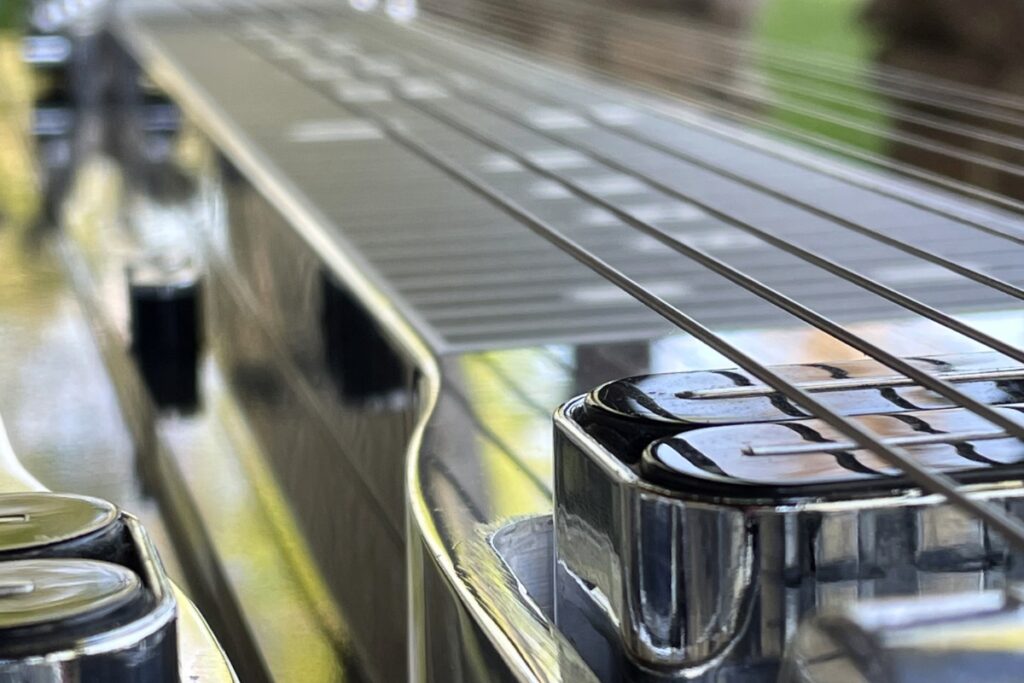
There are generally more string sets available for E9 than C6, but most major brands offer both.
C6 strings tend to break less often overall, mainly because there’s usually less constant pedal tension compared to E9.
That said, it still helps to have extras on hand depending on how you play.
For C6, I’ve had great results using the SIT Buddy Emmons Signature Series as well—they feel balanced across the neck and hold up well.
Nickel vs. Stainless Steel
One of the biggest tonal differences comes from string material.
Nickel strings:
- Warmer
- Smoother
- More rounded tone
Stainless steel strings:
- Brighter
- More defined
- More cutting tone
If your setup sounds too dark, stainless can help open it up. If it feels too sharp or thin, nickel can help smooth things out.
Good String Options to Try
Here are some solid options that work well for most players:
- SIT Buddy Emmons Signature Series (link to Amazon)
- D’Addario NYXL (available on Amazon)
- GHS Custom Shop (link to Amazon)
- Ernie Ball Custom Gauge (available on Amazon)
- GHS Custom Shop for Extended E9th 12 String (link to Amazon)
Taking This Further
Once your strings feel right, the biggest difference usually comes from how you interact with them.
As your picking becomes more consistent, your tone tends to even out across the strings, regardless of the set you’re using. That’s where working through Right Hand Picking & Blocking for Pedal Steel can help tie everything together in a more natural way.
As that control improves, applying it to real phrases makes the difference more obvious, and working through 200 Country Riffs & Licks for E9 Pedal Steel gives you a way to hear how your tone responds in actual playing situations.