
Practicing licks on pedal steel can be a great way to build your playing—but they can also serve a more important purpose: developing control in your right hand.
Many of the sounds players are drawn to on the E9 neck rely on clean picking and accurate blocking. Without that control, extra strings ring out and things quickly become unclear.
One of the most effective ways to improve this is by working through repeatable patterns that force your right hand to coordinate picking and blocking together.
The tabs below are designed for that purpose.
They’re simple enough to work on consistently, but musical enough that they show up in real playing situations.
How to Practice These
Before jumping into the tabs, a few important guidelines:
- Practice slowly first (this is where the improvement happens)
- Focus on clean blocking between every note
- Keep your movements small and controlled
- Gradually increase tempo only when it feels consistent
These aren’t just licks—they’re right hand training patterns.
If you want a deeper breakdown of how blocking works, you can explore it here:
Right hand blocking
Tab #1
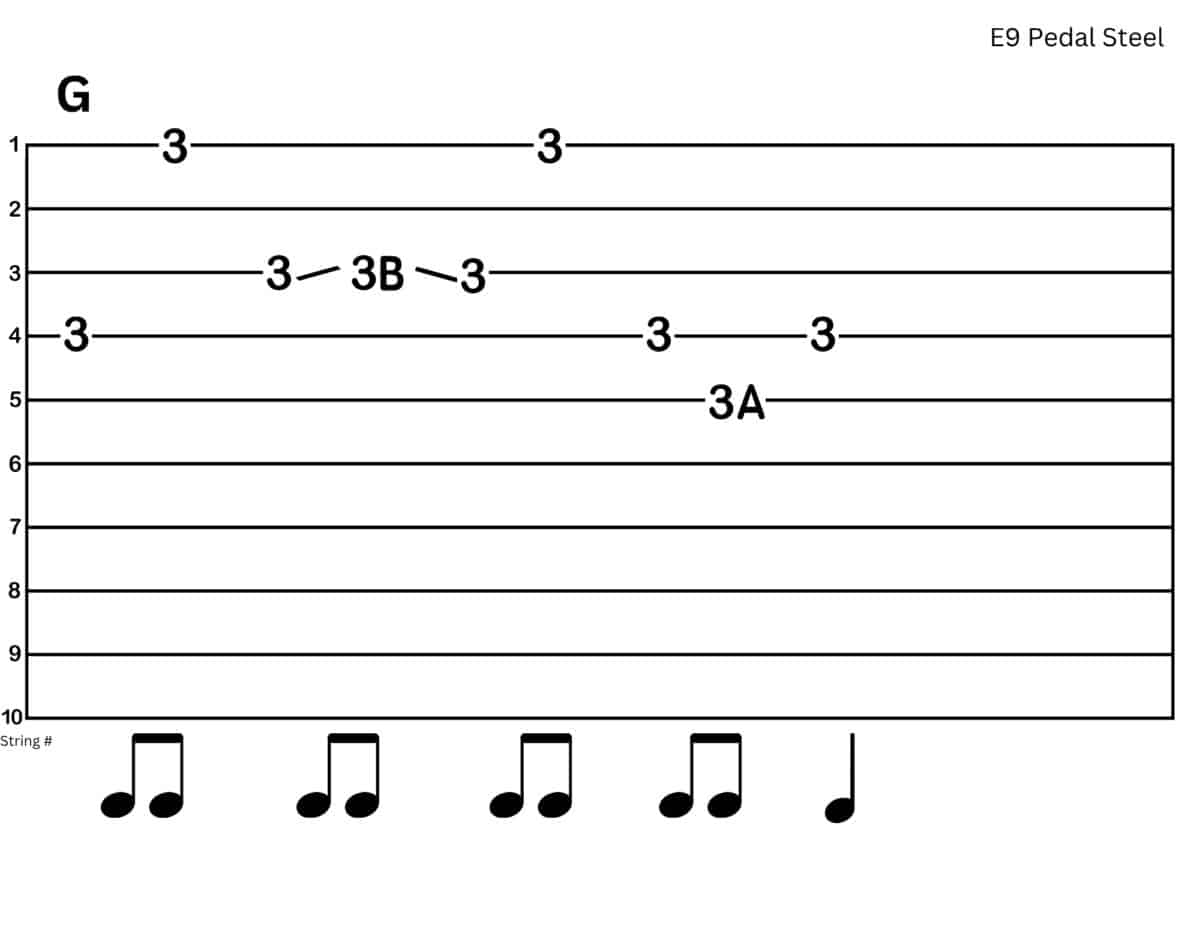
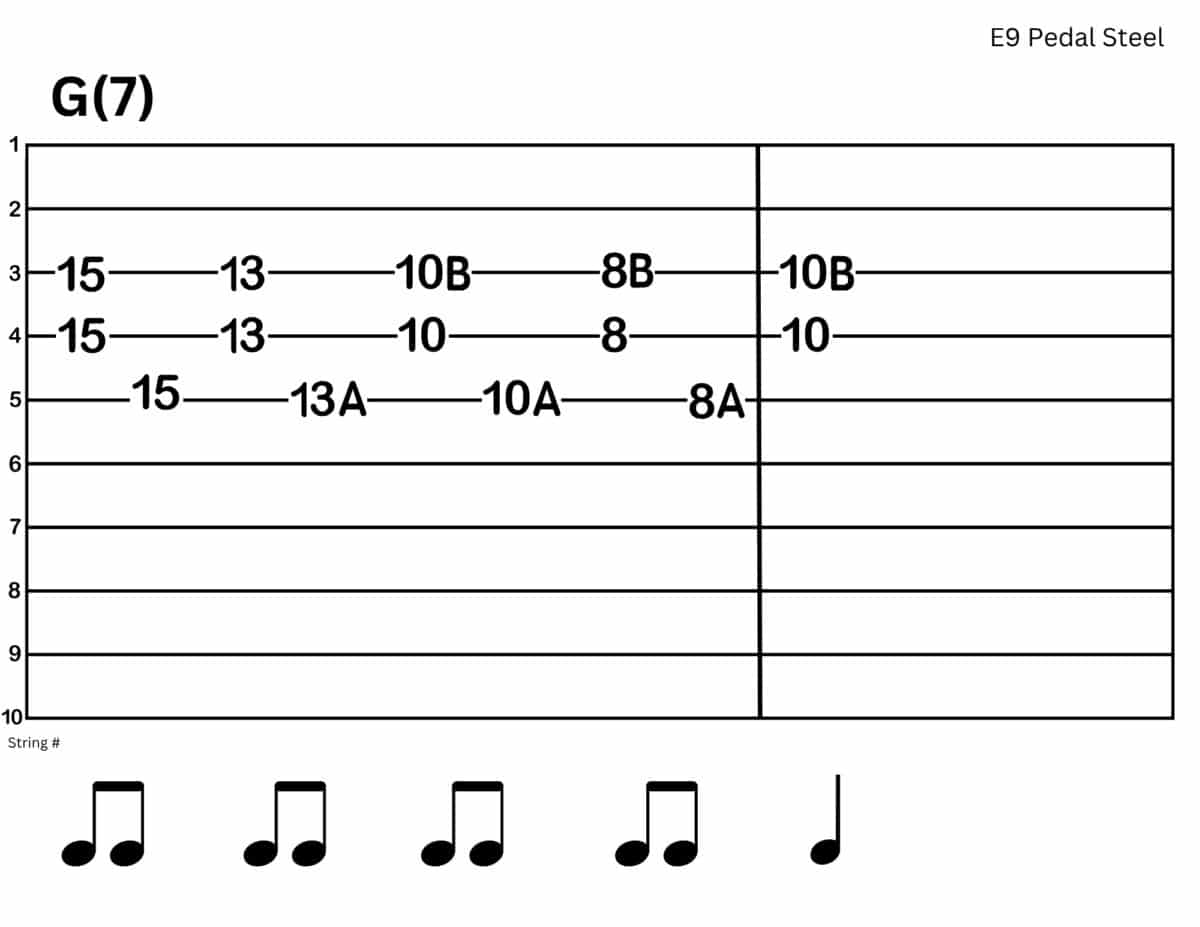
These types of patterns often involve string skipping (like moving between strings 4, 1, and 3), which makes them especially useful for developing blocking accuracy.
Tab #2
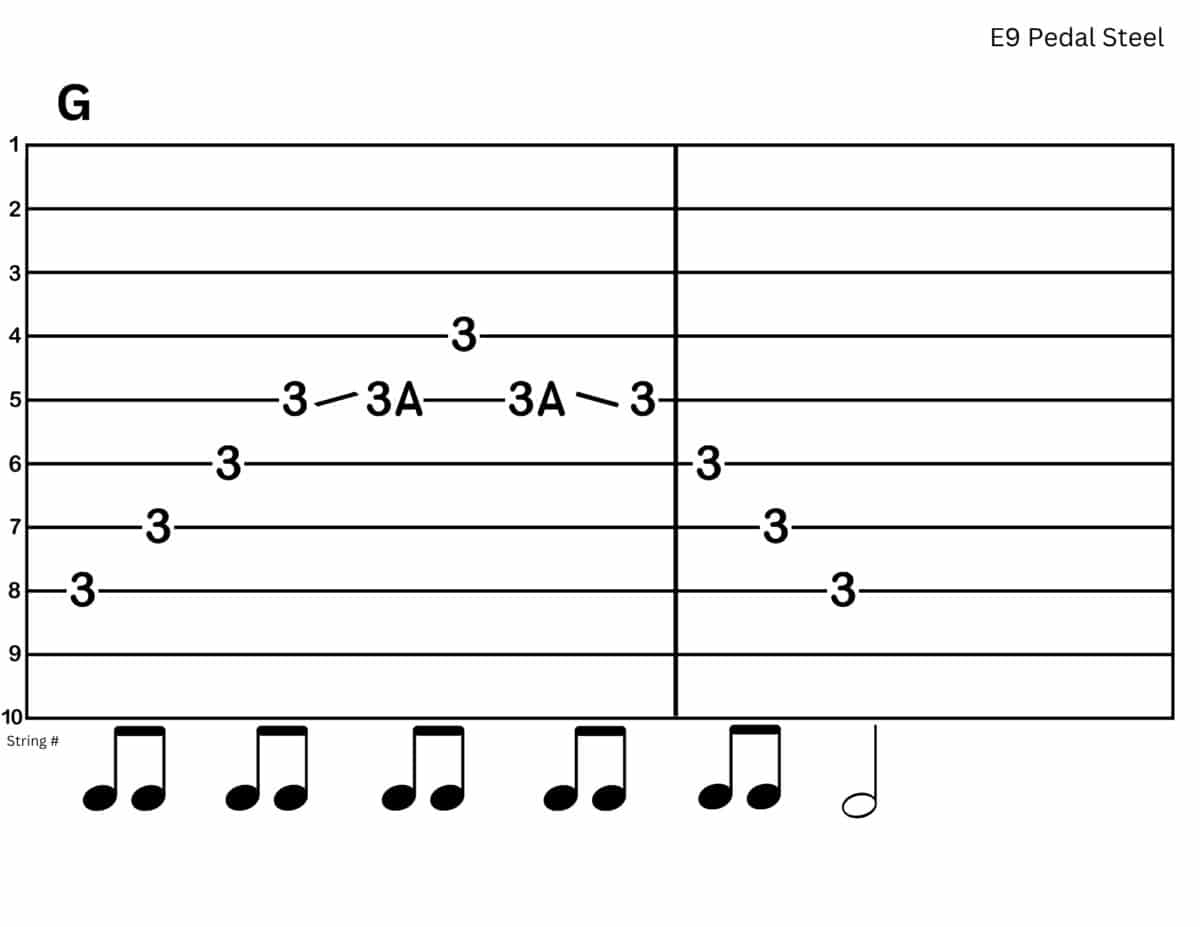
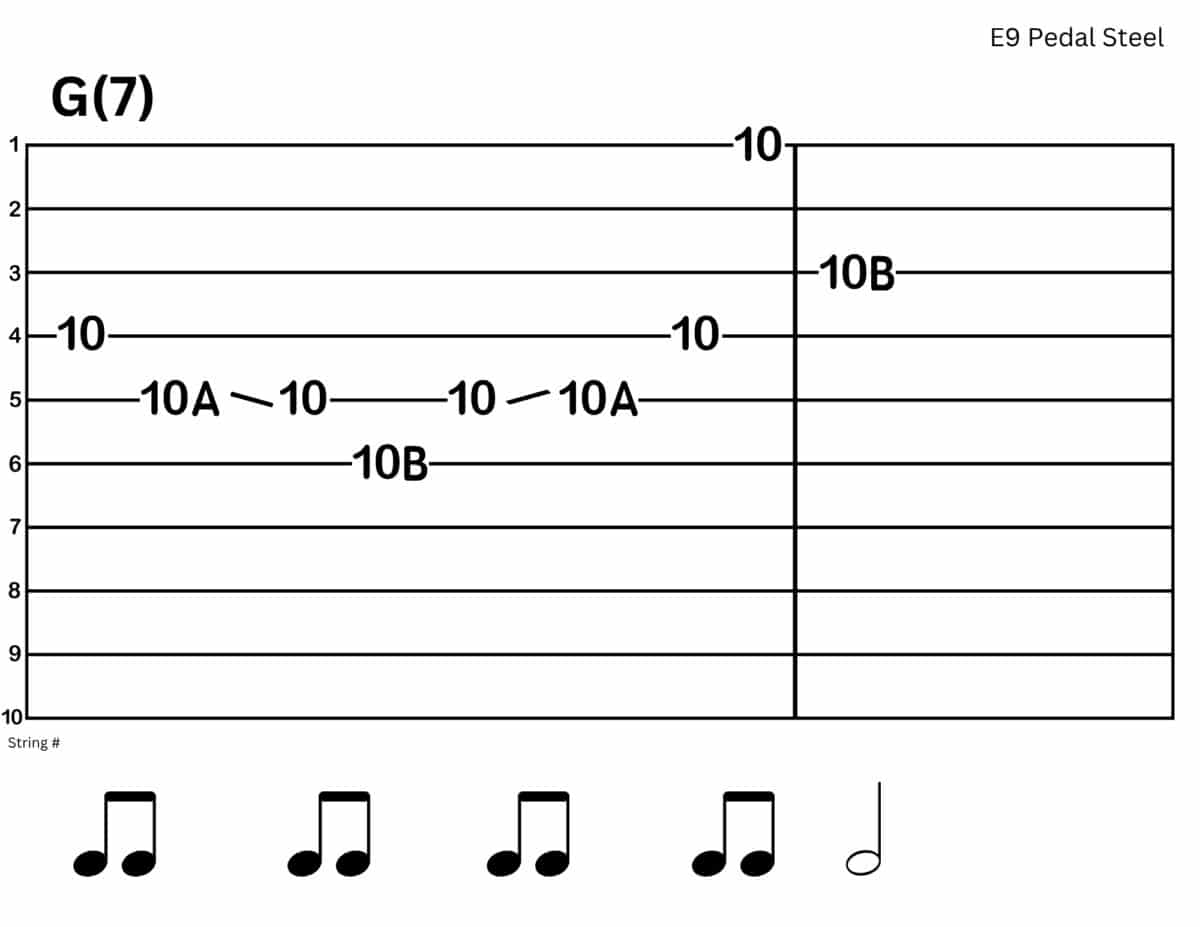
Work this slowly and listen carefully—your goal is to only hear the notes you intend to play, with no extra string noise.
Tab #3
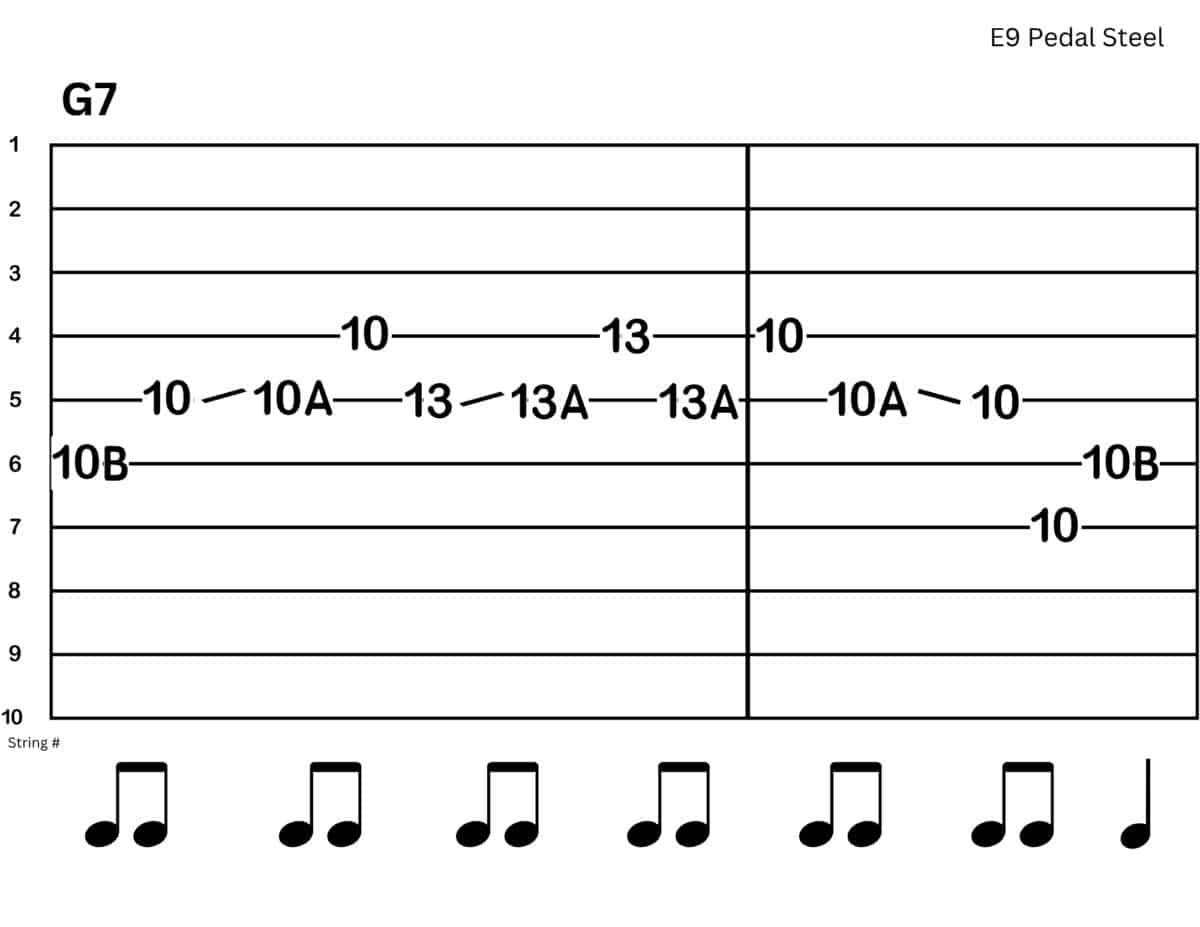
Use whatever fingering approach works best for your playing.
Some players prefer:
- Thumb + index
- Thumb + middle
- Or all three fingers
The key is consistency—once something feels comfortable, stick with it long enough to build muscle memory.
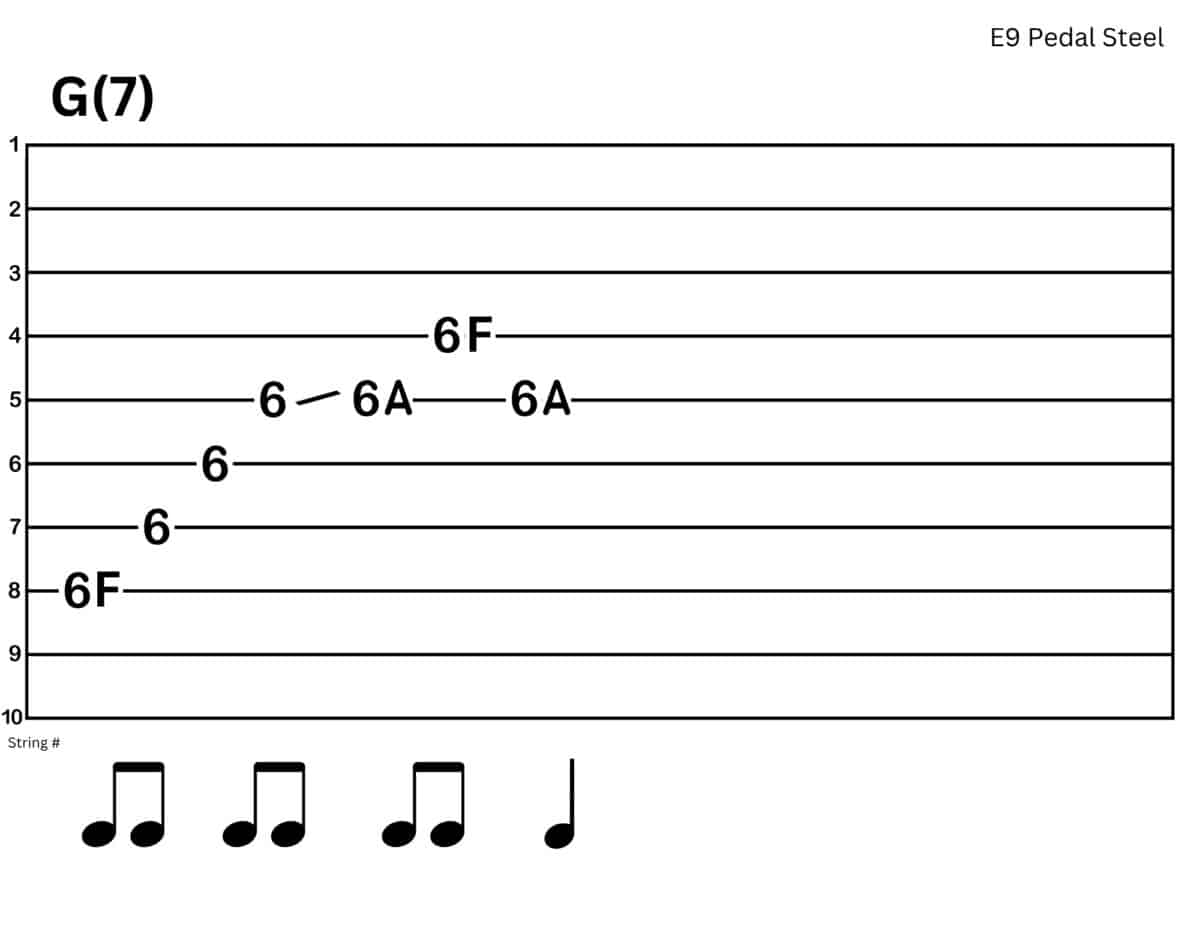
Tab #4
Tab #5
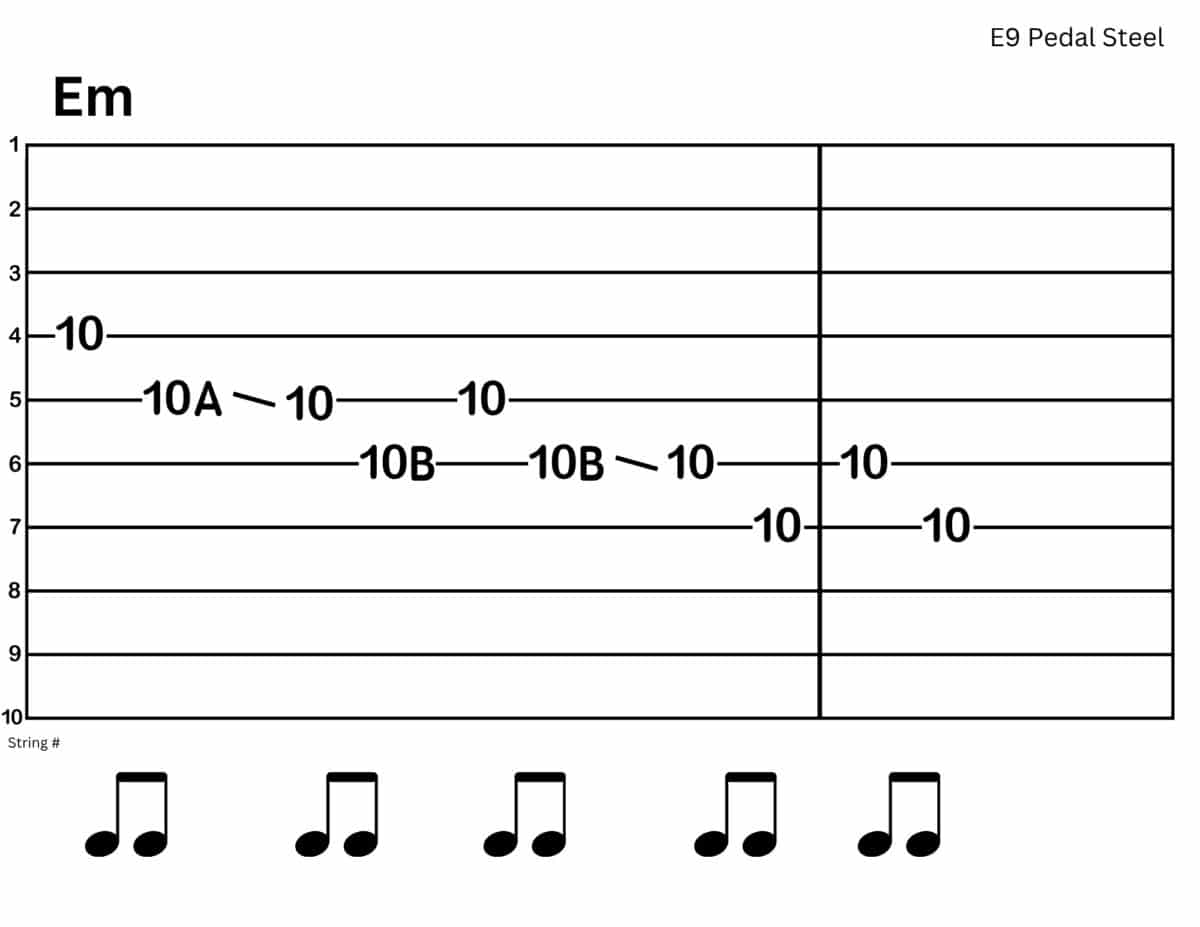
Tab #6
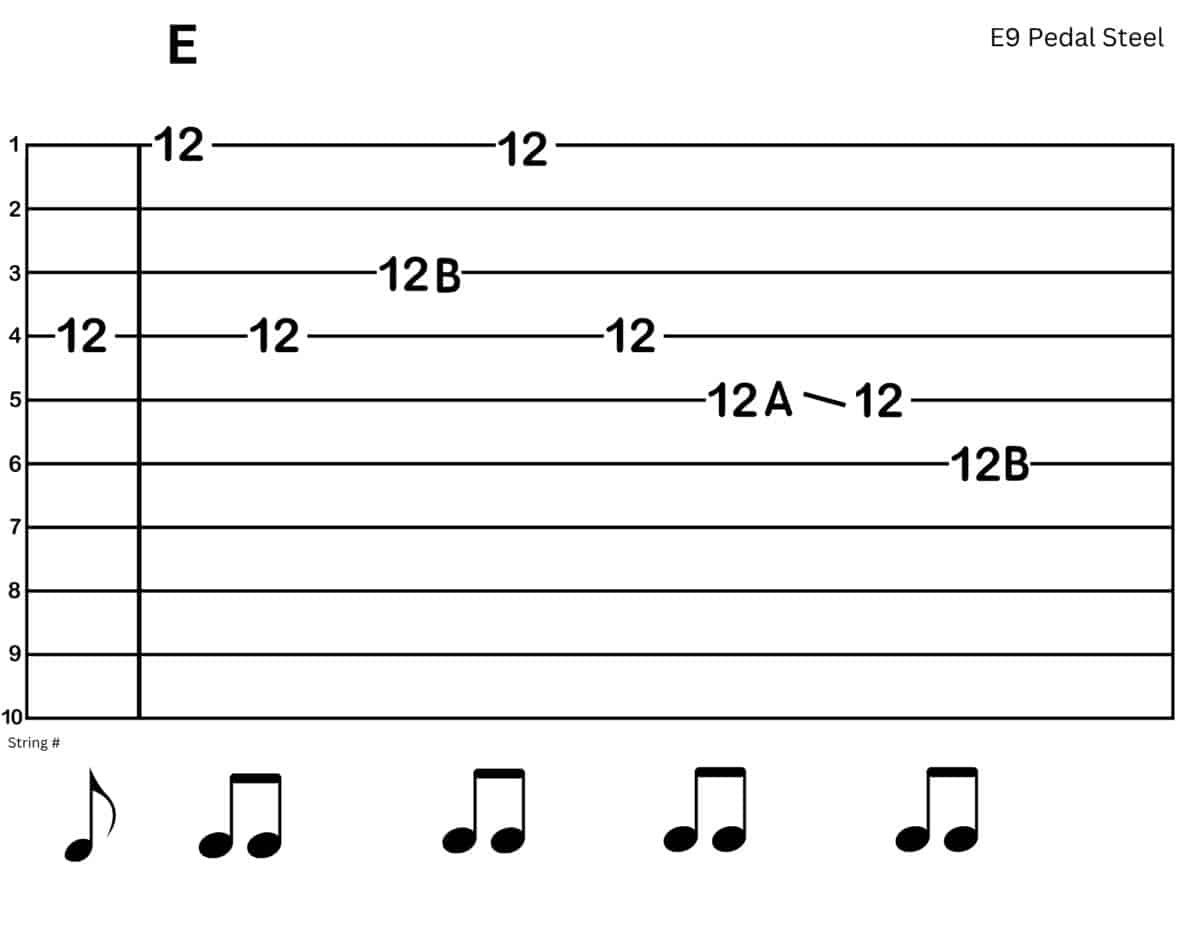
Tab #7
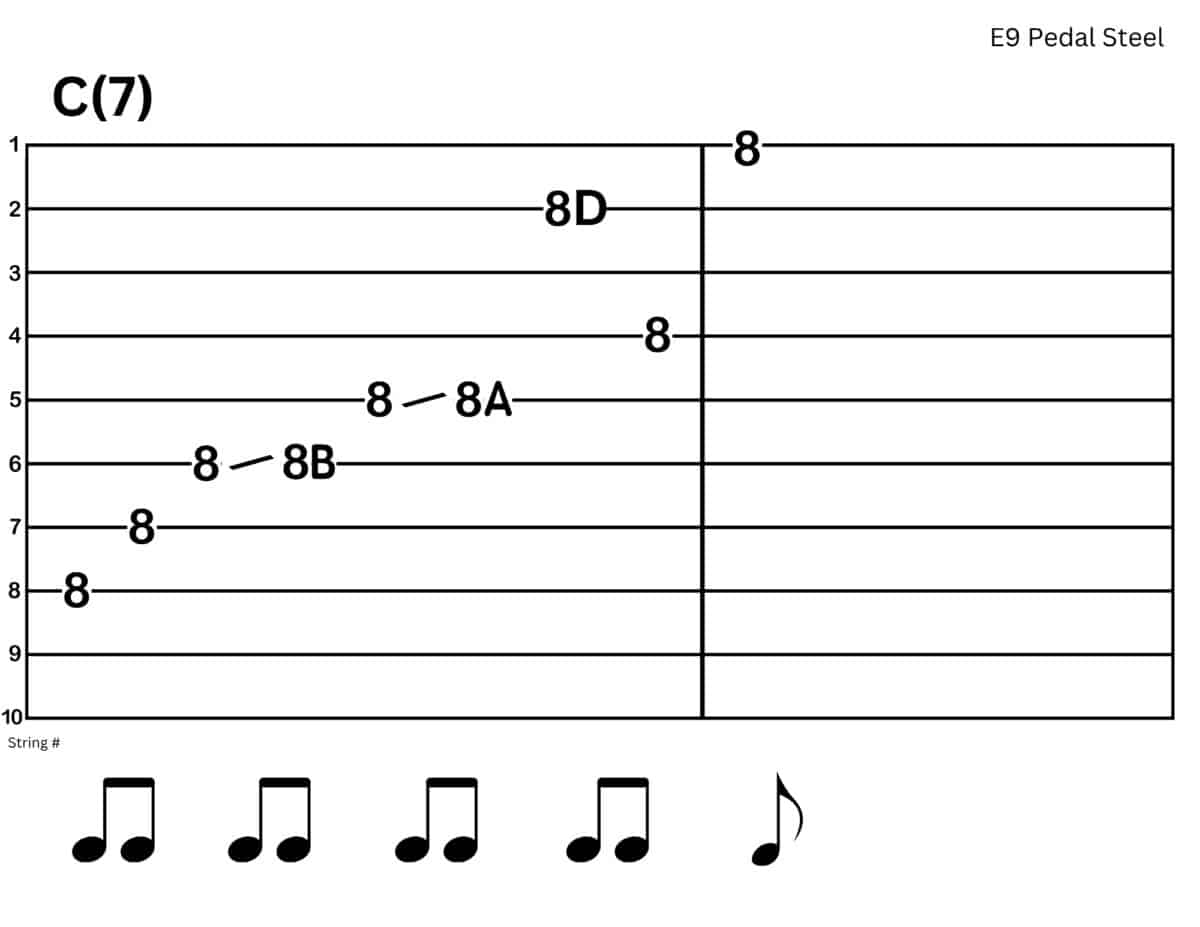
Tab #8
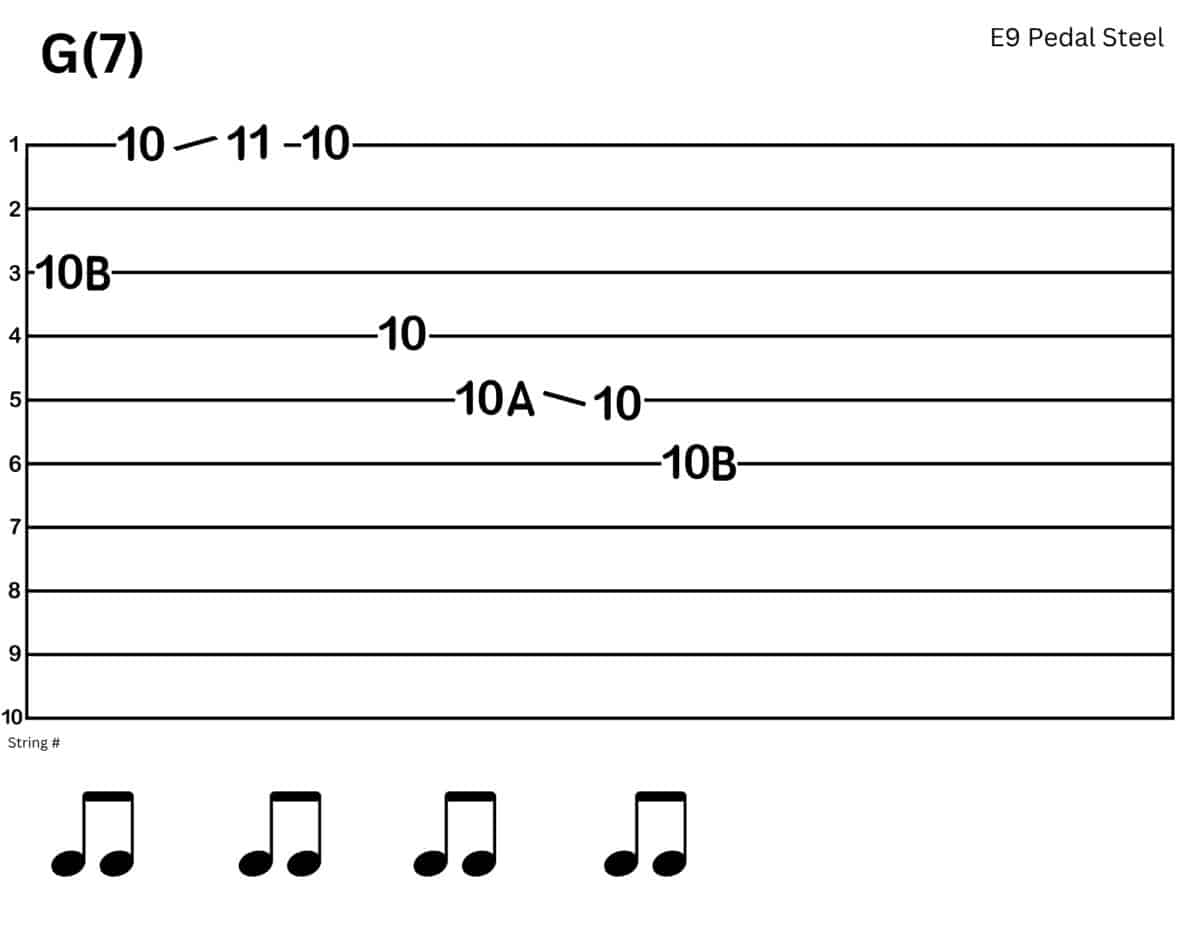
Tab #9
Tab #10
Building Control Over Time
If you work through patterns like these consistently, your right hand will start to feel more controlled and responsive.
This is one of the areas where many players get stuck—not because the patterns are too advanced, but because the coordination takes time to develop.
Small improvements here make a big difference across everything you play.
It’s also one of the areas where having direct feedback can help, since small adjustments in blocking and picking can immediately clean up your sound.
Where to Go From Here
These tabs are a starting point—but they’re most effective when they’re part of a structured approach to developing right hand control.
If you want a more complete way to build your right hand technique and apply it musically, you can explore the Right Hand instructional book, which walks through this step-by-step.
If you’d rather work through it directly and get feedback on your playing, you can also reach out about one-on-one lessons.